ACO Culture

Reports of the death of Cost-Effectiveness Analysis in the U.S. may have been exaggerated: The ongoing case of Mammography

Guidelines for the use of mammograms to screen for breast cancer have been the topic of one of the fiercest and longest-running debates in medicine.  Back in the early 1990s, I participated in that debate as the leader of a guideline development team at the Henry Ford Health System.  We developed one of the earliest

Reports of the death of Cost-Effectiveness Analysis in the U.S. may have been exaggerated: The ongoing case of Mammography Read More »

How to get a clearer picture of economic performance: Standard Cost and Payer Neutral Revenue

This morning, I read a set of slides published by the American Hospital Association (AHA) and the Health Research and Education Trust (HRET) called “Striving for Top Box: Hospitals Increasing Quality and Efficiency.” The report showcased the clinical integration and performance improvement efforts of three hospital-based health systems: Novant (North Carolina), Piedmont (Georgia) and Banner (Arizona).

How to get a clearer picture of economic performance: Standard Cost and Payer Neutral Revenue Read More »

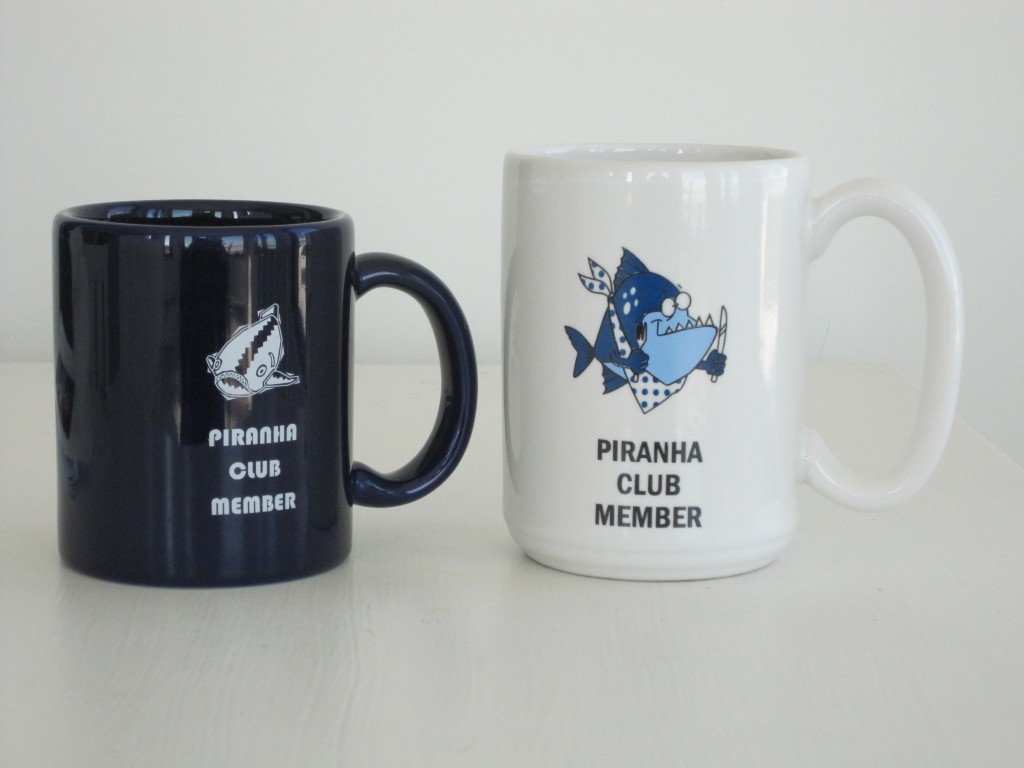
What makes teams effective? (2) Achieving the Piranha Club state

Back in the mid-1990s, when I was working in the Center for Clinical Effectiveness at the Henry Ford Health System, I had the privilege and joy of being part of a team of smart, creative, passionate people working to transform health care.  The team included a core staff and an extended collection of collaborators from

What makes teams effective? (2) Achieving the Piranha Club state Read More »

What makes teams effective? (1) Not being too role-focused

I am a big fan of people in the fields of “usability” and “human factors.” These are engineering disciplines which have been applied to software engineering, more broadly to information technology and even more broadly to organizational effectiveness. Usability and human factors people focus on considering the mental and physical characteristics of users when designing

What makes teams effective? (1) Not being too role-focused Read More »

Why do other countries have different attitudes about Health Economics?

Wednesday morning, I attended a thought-provoking panel discussion entitled “Is Health Economics an Un-American Activity?” — a reference to the McCarthy-era Congressional committees that judged Hollywood movie directors and others considered to be communist sympathizers.  The panel presentation was part of the annual meeting of the International Society for Pharmacoeconomics and Outcomes Research (ISPOR) in

Why do other countries have different attitudes about Health Economics? Read More »

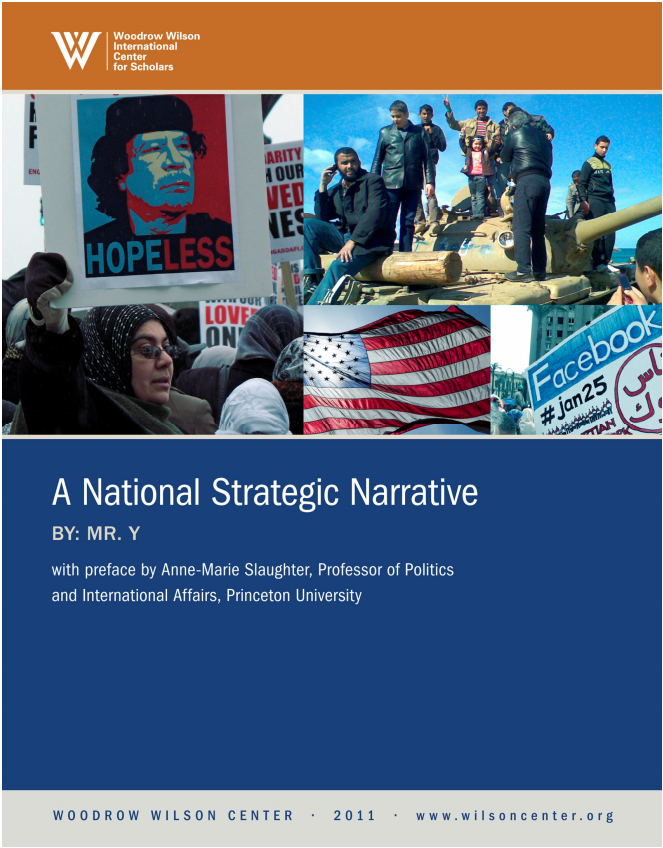
Interesting “National Strategic Narrative” on Prosperity and Security and how it relates to health care transformation

This morning I read a short article by my favorite journalist, Fareed Zakaria (who I have been reading since long before he was a CNN news celebrity).  In the article, Zakaria covers and expresses his general agreement with a policy paper published by the Wilson Center proposing a new “National Strategic Narrative” regarding prosperity and security.

Interesting “National Strategic Narrative” on Prosperity and Security and how it relates to health care transformation Read More »

“Can I get a Fast Pass?”: Learning from Disney about health care quality

While returning from a vacation to Walt Disney World yesterday, my family and I were in a disorganized crowd at the Orlando International Airport boarding the tram that shuttles travelers between terminal buildings.  A man yelled “Can I get a fast pass?”  Everyone laughed. Anyone who has been to a Disney park knows that a

“Can I get a Fast Pass?”: Learning from Disney about health care quality Read More »

Atul Gawande’s articles in the New Yorker most relevant to ACOs

Atul Gawande is a general surgeon at Brigham and Women’s Hospital in Boston, and is an amazingly compelling writer about health care issues.  He has written a series of articles in the New Yorker, blending stories of individual patients and their care providers with a larger scientific and health policy context.  Some of the most relevant of

Atul Gawande’s articles in the New Yorker most relevant to ACOs Read More »

Learning from Manufacturers about Culture and Technology: The Case of PLM Systems

Product Lifecycle Management (PLM) systems are software tools that are used by product manufacturing companies to support the entire lifecycle of ideation, business planning, requirements, design, manufacturing, launch, and eventual retirement of products. They are interesting to me for two reasons: (1) they are relevant to the development of software products, and (2) they share

Learning from Manufacturers about Culture and Technology: The Case of PLM Systems Read More »