Dr. Ward’s Methods Notes

Dr. Ward’s opinions about how to conceptualize and do things, including analysis, system design, project management, development lifecycle, organizational structure, incentives, and more. A work always in progress, never completed.

Telling a 46 year health care cost growth story in one graph

In a recent post to the Health Affairs Blog, Charles Roehrig, an economist who serves as VP and director of Altarum’s Center for Sustainable Health Spending, presented some very interesting graphics of long term health care cost growth in the U.S.  He shows the often-presented statistic of health care cost as a percent of Gross

Telling a 46 year health care cost growth story in one graph Read More »

So, is there any good use of O/E analysis? Yes. It’s called Benchmark Opportunity Analysis.

In last week’s post, I argued that observed over expected analysis (O/E) was commonly misused as a method for doing “level playing field” performance comparisons.  I recommend against using it for that purpose. But, is there some other good use for O/E analysis? I can’t think of a good use for the O/E ratio itself

So, is there any good use of O/E analysis? Yes. It’s called Benchmark Opportunity Analysis. Read More »

Observed over expected (O/E) analysis is commonly misapplied to performance comparisons. Please don’t.

A few years ago, I had a shocking and enlightening discussion about analytic methods with a group of epidemiologists and biostatisticians from Blue Cross Blue Shield of Michigan. We were sitting around a table at a conference center in Lansing, where we were debriefing from a meeting of the Physician Group Incentive Program. We were

Observed over expected (O/E) analysis is commonly misapplied to performance comparisons. Please don’t. Read More »

How do we reduce errors in software and data analysis? Culture of Accountability vs. Culture of Learning

A young colleague recently wrote to me complaining of frustration from having to deal with a high rate of errors in software development and data analysis.  Any time you are innovating in a knowledge-intensive field such as health care, you will need to develop new software and analyze data in new ways.  Errors will inevitably

How do we reduce errors in software and data analysis? Culture of Accountability vs. Culture of Learning Read More »

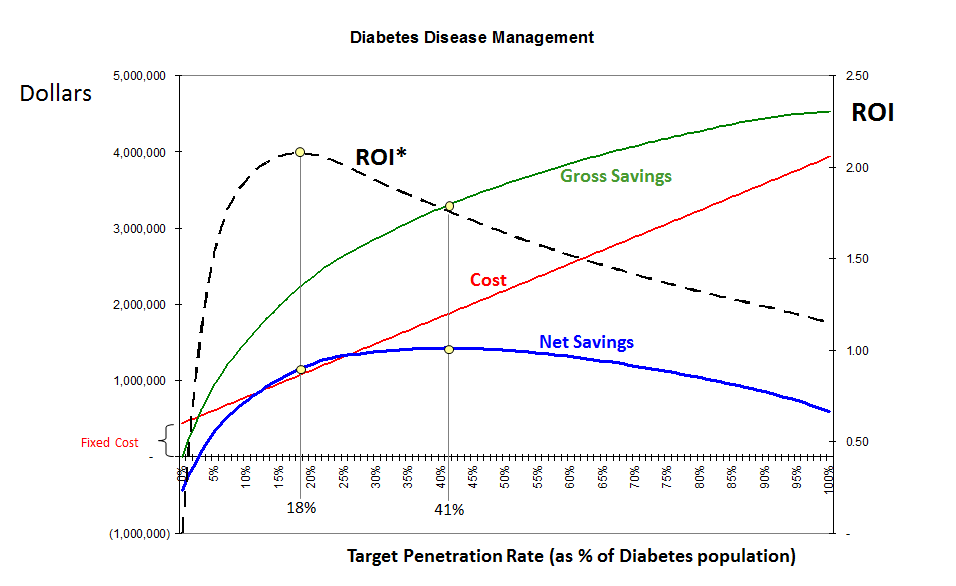
The debate about what to maximize when selecting candidates for care management programs: Accuracy? ROI? Net Savings? Or Cost-Effectiveness?

When doing analysis, it is really important to clarify up front what it is you are actually trying to figure out.  This sounds so obvious.  But, I am always amazed at how often sophisticated, eager analysts can zip past this important first step. Health plans, vendors and health care providers are all involved in the

The debate about what to maximize when selecting candidates for care management programs: Accuracy? ROI? Net Savings? Or Cost-Effectiveness? Read More »

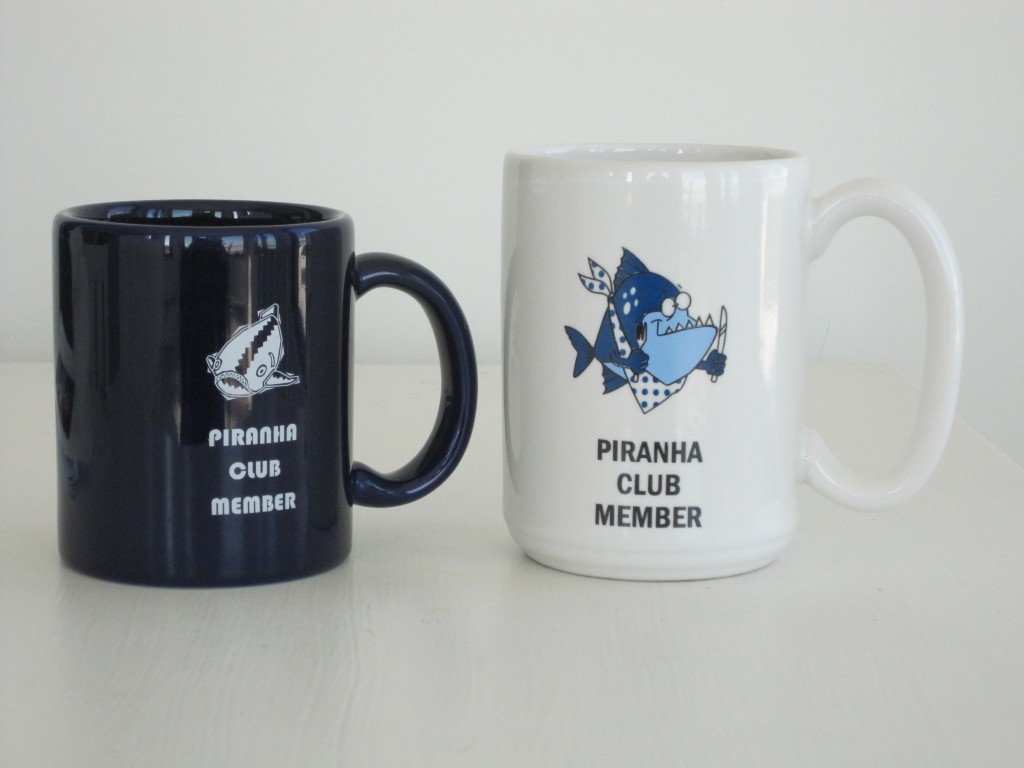
What makes teams effective? (2) Achieving the Piranha Club state

Back in the mid-1990s, when I was working in the Center for Clinical Effectiveness at the Henry Ford Health System, I had the privilege and joy of being part of a team of smart, creative, passionate people working to transform health care.  The team included a core staff and an extended collection of collaborators from

What makes teams effective? (2) Achieving the Piranha Club state Read More »

What makes teams effective? (1) Not being too role-focused

I am a big fan of people in the fields of “usability” and “human factors.” These are engineering disciplines which have been applied to software engineering, more broadly to information technology and even more broadly to organizational effectiveness. Usability and human factors people focus on considering the mental and physical characteristics of users when designing

What makes teams effective? (1) Not being too role-focused Read More »

Book with doodles on top

We don’t need more data. We need better story-telling.

— This morning, I read a blog post from someone in the “business intelligence” industry complaining that, after years of innovation, “BI” is not really having the envisioned effects.   The author wondered whether it was because BI, like most other business applications, are not “fun.”  The author suggested that BI applications should consider borrowing

We don’t need more data. We need better story-telling. Read More »

Why “case load” is not a good metric for case management productivity or intensity

As shown in the following graphic recently published by the Healthcare Intelligence Network, it has become common practice to use “case load” as a metric for the productivity of nurses in case management programs or as a measure of the intensity of a case management intervention.  More broadly, case load has been used for these

Why “case load” is not a good metric for case management productivity or intensity Read More »