Dr. Ward

Richard E. Ward, MD, MBA, CEO of Reward Health. Also physician, health care analytics and informatics innovator, husband, father, tenor & gradually improving swimmer

Defensible COVID-19 vaccine prioritization policy will require bravery and explicit principles and analytics. We offer example principles and propose a 6-step process.

For almost a year, the weary public has been receiving a confusing mix of information and misinformation and witnessing an inconsistent and sometimes incoherent policy-making process regarding COVID-19 pandemic response. Leaders, journalists, neighbors, and wanna-be-expert social media influencers have all offered opinions about closing schools and businesses, mandatory mask wearing, testing, quarantine directives and other
Defensible COVID-19 vaccine prioritization policy will require bravery and explicit principles and analytics. We offer example principles and propose a 6-step process. Read More »

No, COVID statistics don’t look bad because the US does too much testing or because hospitals are attributing too many deaths to COVID

As I mentioned before, although I enjoy a good wager, my maximum bet is normally $1. Last week, my brother-in-law, the owner, operator and namesake of a popular restaurant, offered to bet a bottle of wine that the reason the COVID-19 statistics look bad in the US is because of high rates of testing and

No, COVID statistics don’t look bad because the US does too much testing or because hospitals are attributing too many deaths to COVID Read More »

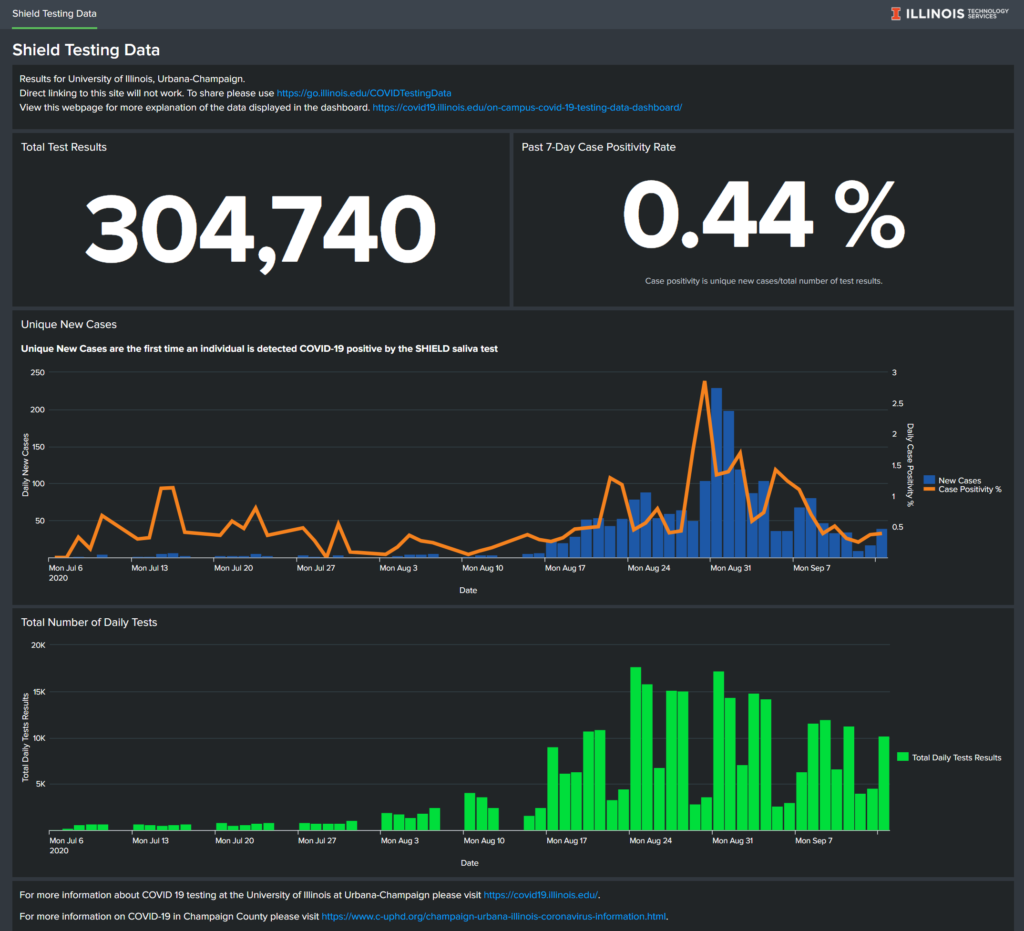
University of Illinois is using campus-level COVID model, mandatory frequent saliva testing, an army of contact tracers and dynamic policy to keep the campus safe

In a recent article in Nature, the COVID19 response for the University of Illinois at Urbana campus was detailed. Although a spike in cases reported at the end of August, 2020 led to some national news coverage suggesting it was a failure, I nevertheless consider it an illustration of good practices that should be emulated

University of Illinois is using campus-level COVID model, mandatory frequent saliva testing, an army of contact tracers and dynamic policy to keep the campus safe Read More »

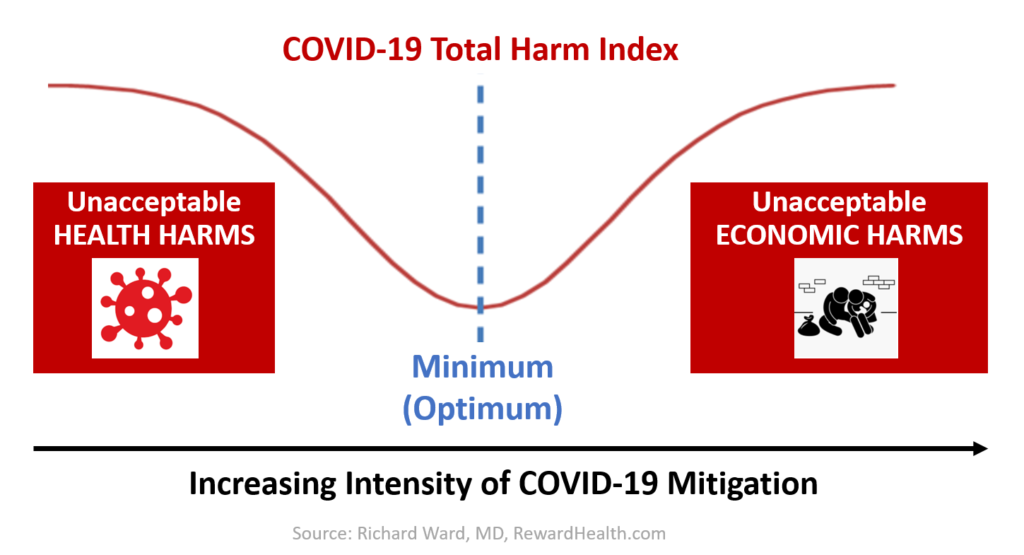
Graph labelled "COVID-19" Total Harm Index, showing optimization curve with minimum harm at a middle level of intensity of COVID-19 mitigation.

Introducing the Harm Index Minimization Strategy for COVID-19 pandemic response: Better than Flatten the Curve, Crush the Curve and Hammer and Dance strategies

In my last post, I described three helpful analogies — Forest Fire, Genie in the Bottle, and Trucker in the Mountains — that make it easier for leaders to wrap their heads around different COVID-19 pandemic response strategies. In this post, I will use those analogies to explain six COVID strategies: Then, I will explain

Introducing the Harm Index Minimization Strategy for COVID-19 pandemic response: Better than Flatten the Curve, Crush the Curve and Hammer and Dance strategies Read More »

Picture of Mountain Road with caption "Fore the next 1-3 years, we're truckers in the mountains."

A helpful analogy: Driving an 18-wheeler on a steep grade road from the top of Covid Susceptibility Mountain down to the Valley of Herd Immunity.

I recently had the opportunity to lead a series of discussions with leaders of government and health care organizations working to develop a COVID-19 pandemic strategy. I’ve found it very helpful to use analogies and metaphors to make it easier for people without formal epidemiology and public health training to wrap their heads around different

A helpful analogy: Driving an 18-wheeler on a steep grade road from the top of Covid Susceptibility Mountain down to the Valley of Herd Immunity. Read More »

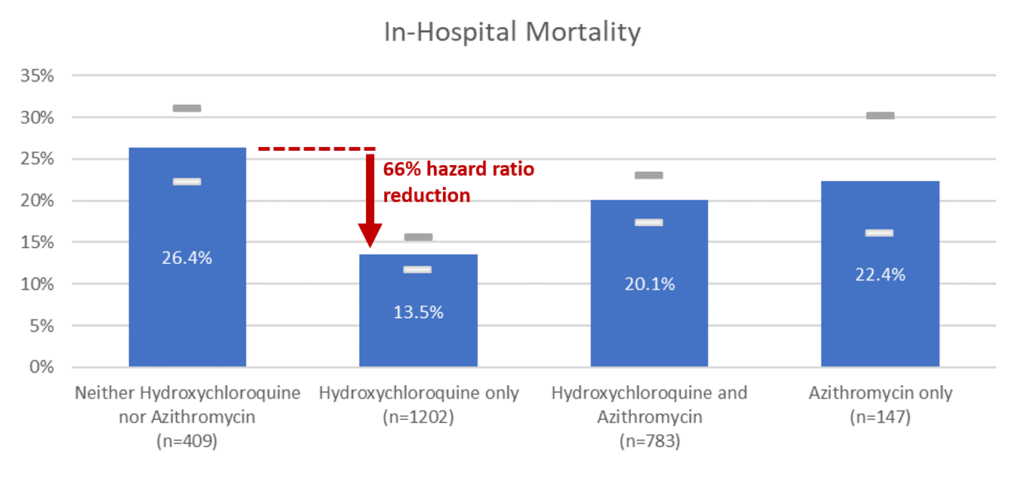
Henry Ford observational study that shows 66% in-hospital mortality reduction from hydroxychloroquine seems to be guilty of “heroic propensity score” problem

During the 1990s, I served as the director of the Center for Clinical Effectiveness at the Henry Ford Health System in Detroit.  I was lucky to have an opportunity to hang around with a really talented group of people there, some of whom are still there.  Back in the day, I was among the loudest

Henry Ford observational study that shows 66% in-hospital mortality reduction from hydroxychloroquine seems to be guilty of “heroic propensity score” problem Read More »

EMR event log study shows 6 hrs of use per day, but implicitly belittles the clinician’s cognitive effort and the EMR’s support

In a recent paper in the Annals of Family Medicine by Brian Arndt and colleagues at the University of Wisconsin, the authors described the results of an analysis of the user event logs of their Epic EMR.  The authors determined that primary care clinicians used the system nearly 6 hours per day out of an

EMR event log study shows 6 hrs of use per day, but implicitly belittles the clinician’s cognitive effort and the EMR’s support Read More »

If repealing Obamacare is off the table, can we turn attention to improving it through cost-effective clinical protocols?

Paul Krugman recently wrote an article in the New York Times posing the question: if repealing Obamacare is off the table (for now), should people on the “progressive” end of the political spectrum push for a single-payer “Medicare for all” system or just advocate for incremental improvements to the privatized Obamacare model?  He says if

If repealing Obamacare is off the table, can we turn attention to improving it through cost-effective clinical protocols? Read More »