Clinical Practice Guidelines and Protocols

Clinical Practice Guidelines and Protocols includes practice policies, algorithms, rules, criteria, pathways and other proactively-determined designs for clinical decision-making processes, developed based on explicit or subjective methods, based on evidence or expert consensus opinions.

In response to a JAMA Viewpoint offering 4 principles for public health post COVID, I say yes, but we need a 5th principle – Science staying in its lane.

In a recent issue of JAMA, Daniel Morgan (U Maryland) and Deborah Korenstein (Icahn/Mt. Sinai) offered a viewpoint article that revisits the important evaluative conversation about the performance of our public health system during the COVID-19 pandemic and offers four useful principles for a “new approach to public health.” In this post, I will briefly

In response to a JAMA Viewpoint offering 4 principles for public health post COVID, I say yes, but we need a 5th principle – Science staying in its lane. Read More »

Time for a temporarily privatized CDC policymaking process, sponsored and funded by provider & payer organizations, professional societies and states.

Recent efforts by HHS Secretary Kennedy to politicize CDC policymaking leave us without the science-driven process the nation requires. Therefore, while we wait impatiently for the storm to pass, we will need a temporary arrangement where provider and payor organizations, professional societies and states cooperate to establish, fund and delegate some authority to a substitute

Time for a temporarily privatized CDC policymaking process, sponsored and funded by provider & payer organizations, professional societies and states. Read More »

Trump/Musk killed AHRQ, but in a sense, the death has been playing out over 25 years. Recalling 4 eras of the agency and my dream for its eventual rebirth.

Slashing and Dissolving As reported by the Kaiser Family Foundation’s Health News site blog, last week the Trump administration “dissolved” the Agency for Healthcare Research and Quality (AHRQ), the agency that has for decades been at the center of the US Federal Government’s support for health services research in the service of improvement of our

Trump/Musk killed AHRQ, but in a sense, the death has been playing out over 25 years. Recalling 4 eras of the agency and my dream for its eventual rebirth. Read More »

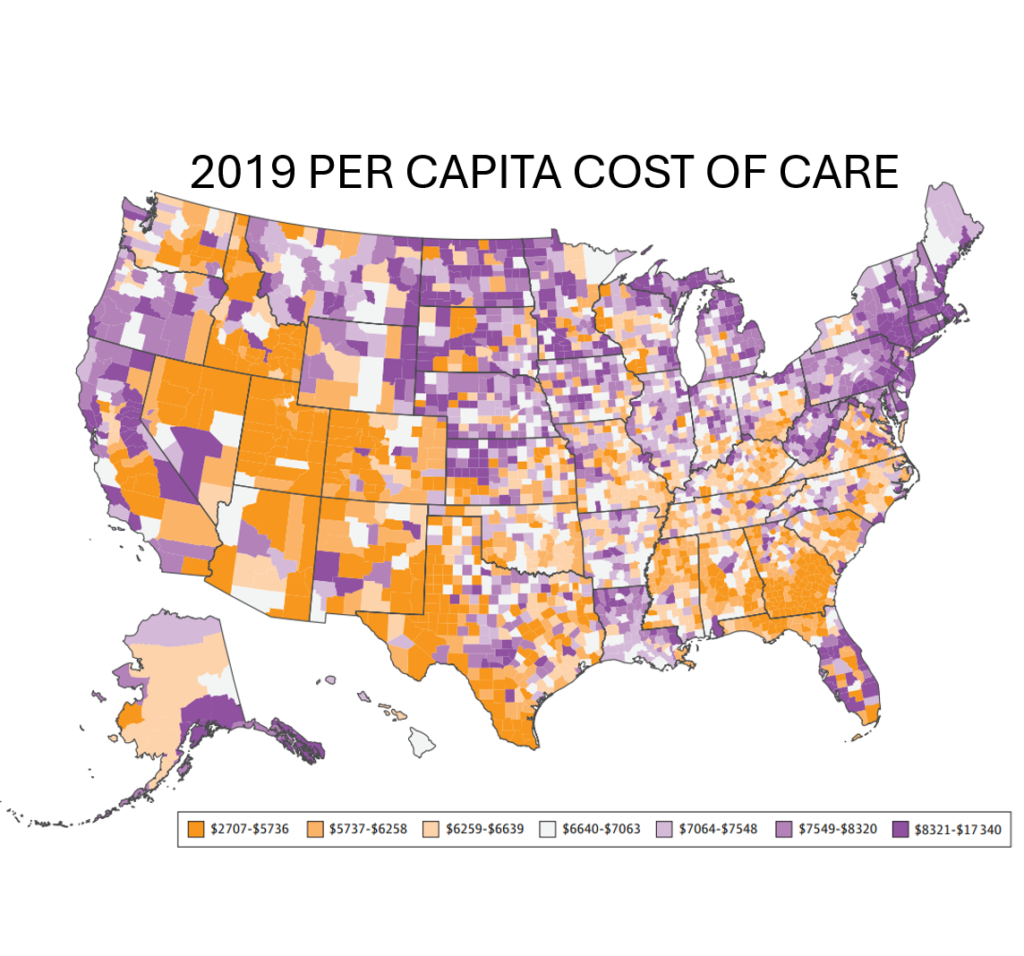
In the debate about price vs utilization as the main driver of geographic variation in cost of care, I say don’t get distracted from innovation.

I want to call your attention to a very thoughtful blog published by the semi-retired health care journalist, Merrill Goozner: the GoozNews Substack. Goozner’s most recent post, “It’s mostly overutilization, stupid” provides a delightful trip down memory lane, summarizing the decades-old debate about the causes of geographic variation in health care cost. Goozner started by

In the debate about price vs utilization as the main driver of geographic variation in cost of care, I say don’t get distracted from innovation. Read More »

Defensible COVID-19 vaccine prioritization policy will require bravery and explicit principles and analytics. We offer example principles and propose a 6-step process.

For almost a year, the weary public has been receiving a confusing mix of information and misinformation and witnessing an inconsistent and sometimes incoherent policy-making process regarding COVID-19 pandemic response. Leaders, journalists, neighbors, and wanna-be-expert social media influencers have all offered opinions about closing schools and businesses, mandatory mask wearing, testing, quarantine directives and other

Defensible COVID-19 vaccine prioritization policy will require bravery and explicit principles and analytics. We offer example principles and propose a 6-step process. Read More »

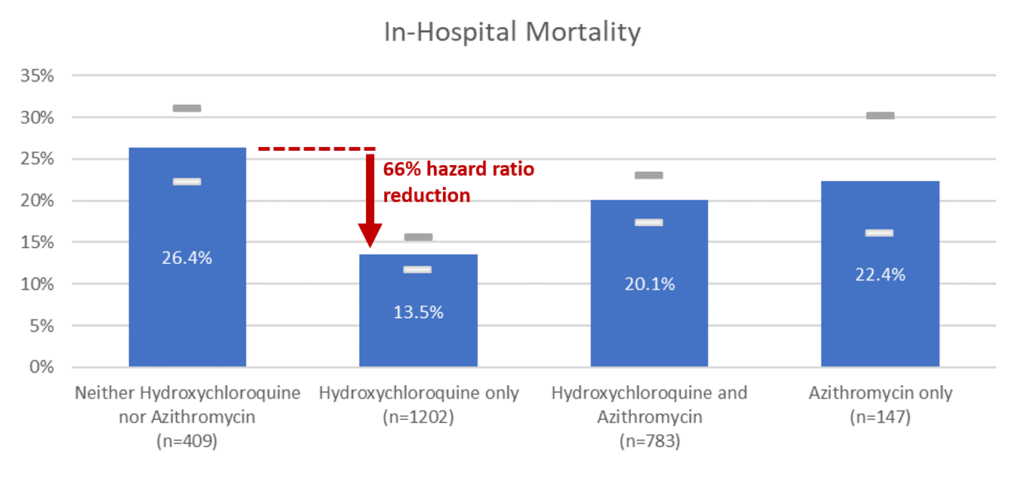
Henry Ford observational study that shows 66% in-hospital mortality reduction from hydroxychloroquine seems to be guilty of “heroic propensity score” problem

During the 1990s, I served as the director of the Center for Clinical Effectiveness at the Henry Ford Health System in Detroit.  I was lucky to have an opportunity to hang around with a really talented group of people there, some of whom are still there.  Back in the day, I was among the loudest

Henry Ford observational study that shows 66% in-hospital mortality reduction from hydroxychloroquine seems to be guilty of “heroic propensity score” problem Read More »

If repealing Obamacare is off the table, can we turn attention to improving it through cost-effective clinical protocols?

Paul Krugman recently wrote an article in the New York Times posing the question: if repealing Obamacare is off the table (for now), should people on the “progressive” end of the political spectrum push for a single-payer “Medicare for all” system or just advocate for incremental improvements to the privatized Obamacare model?  He says if

If repealing Obamacare is off the table, can we turn attention to improving it through cost-effective clinical protocols? Read More »

The Humunculus is a metaphor for Clinical Process Improvement Frameworks

During the last 20 years, we have experienced wave after wave of new frameworks for improving health care.  Each had its own terminology, ardently promoted and enforced by its zealous advocates.  Each had a lifecycle that began with a long incubation period, followed by a period of explosive growth in popularity and influence, rapidly leading

The Humunculus is a metaphor for Clinical Process Improvement Frameworks Read More »

Using Eddy’s Explicit Method to Develop Practice Guidelines for Mammography in the 40-49 Age Group

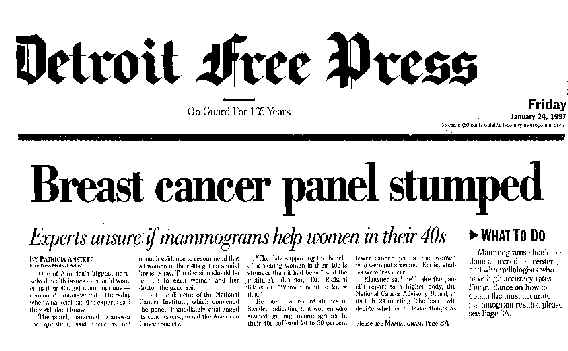
Note that the following write-up is now almost 20 years old!  (How did that happen?)  Amazingly, the debate about the role and frequency of mammography in the 40-49 age group has raged on the entire time since then.  This case study demonstrates the real-world use of the “explicit method” proposed by one of my “health

Using Eddy’s Explicit Method to Develop Practice Guidelines for Mammography in the 40-49 Age Group Read More »

Improving Total Hip Replacement Surgery

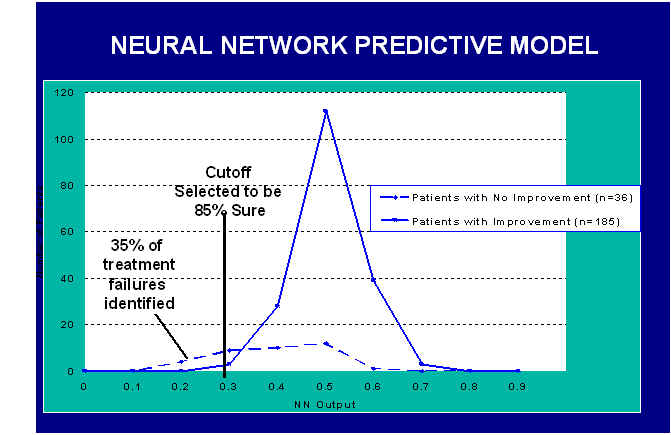
Background Joint replacement is a costly and frequently performed inpatient procedure.  In 1995, Henry Ford Hospital carried out 280 total hip replacements and 225 total knee replacements.  To decrease unnecessary inpatient utilization and enhance functional outcomes of joint replacement surgery, Henry Ford Hospital established a multi-disciplinary improvement team, including representatives from Orthopedic Surgery, Physical Therapy,

Improving Total Hip Replacement Surgery Read More »