Modeling Methods

Modeling Methods include diverse methods used to explore and understand the implications of assumptions related to a system, process or decision and to make quantitative estimates of future outcomes under alternative scenarios to support proactive decision-making.

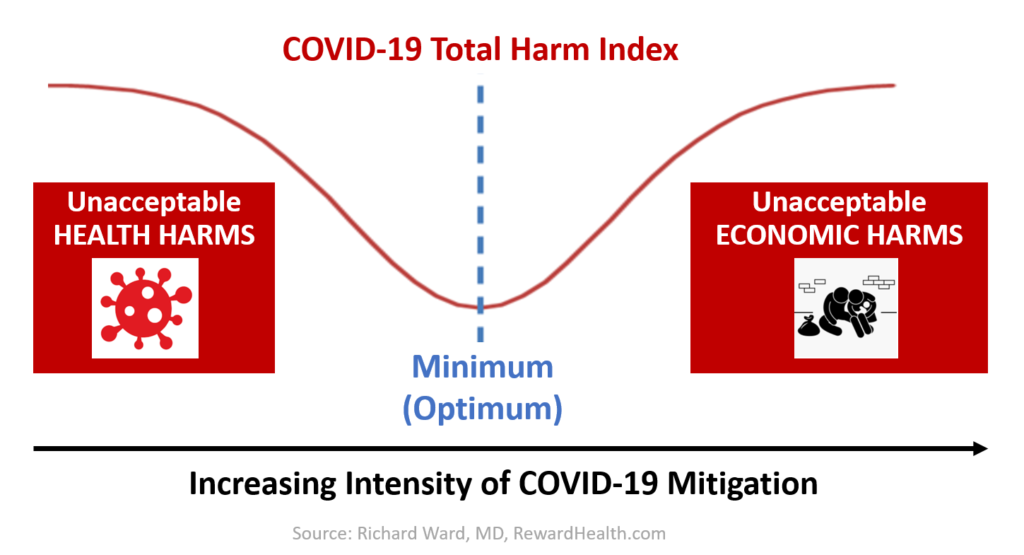
Graph labelled "COVID-19" Total Harm Index, showing optimization curve with minimum harm at a middle level of intensity of COVID-19 mitigation.

Introducing the Harm Index Minimization Strategy for COVID-19 pandemic response: Better than Flatten the Curve, Crush the Curve and Hammer and Dance strategies

In my last post, I described three helpful analogies — Forest Fire, Genie in the Bottle, and Trucker in the Mountains — that make it easier for leaders to wrap their heads around different COVID-19 pandemic response strategies. In this post, I will use those analogies to explain six COVID strategies: Then, I will explain

Introducing the Harm Index Minimization Strategy for COVID-19 pandemic response: Better than Flatten the Curve, Crush the Curve and Hammer and Dance strategies Read More »

If repealing Obamacare is off the table, can we turn attention to improving it through cost-effective clinical protocols?

Paul Krugman recently wrote an article in the New York Times posing the question: if repealing Obamacare is off the table (for now), should people on the “progressive” end of the political spectrum push for a single-payer “Medicare for all” system or just advocate for incremental improvements to the privatized Obamacare model?  He says if

If repealing Obamacare is off the table, can we turn attention to improving it through cost-effective clinical protocols? Read More »

New HIT ROI lit review is a methodologic tour de force, but misses the point

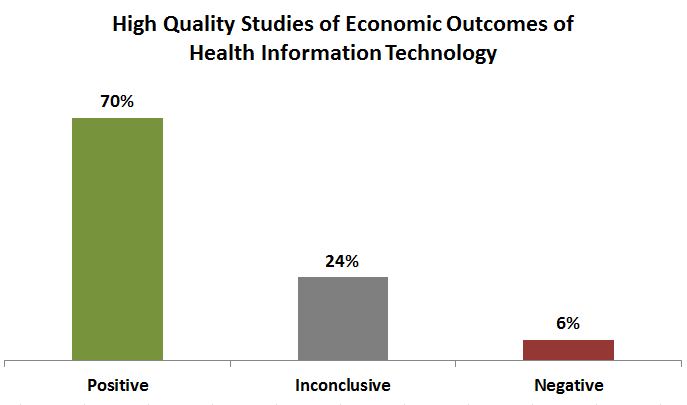
Recently, Jesdeep Bassi and Francis Lau of the University of Victoria (British Columbia) published in the Journal of the American Medical Informatics Association (JAMIA) another in a series of review articles that have been written in recent years to summarize the literature regarding the economic outcomes of investments in health information technology (HIT).  Such articles answer

New HIT ROI lit review is a methodologic tour de force, but misses the point Read More »

Conceptualizing “over-treatment” waste: Don’t deny health economics

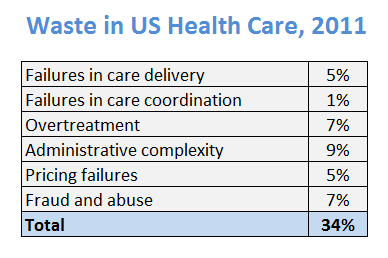
A Health Policy Brief published in Health Affairs on December 13, 2012 referenced an analysis published last April in JAMA regarding waste in health care.  In this analysis, Don Berwick (one of my health care heroes) and Andrew Hackbarth (from RAND) estimated that waste in health care consumed between $476 billion and $992 billion of

Conceptualizing “over-treatment” waste: Don’t deny health economics Read More »

To resolve conflicts, re-frame polar positions as optimization between undesirable extremes. But, sometimes there is no way to win.

In politics and professional life, achieving success requires the ability to resolve conflicts.  I’ve noticed that conflicts often become entrenched because the opposing parties both simplify the conflict in black and white terms. They conceptualize their own interest as moving in one direction. And, they conceptualize their opponent as wanting to move in the opposite,

To resolve conflicts, re-frame polar positions as optimization between undesirable extremes. But, sometimes there is no way to win. Read More »

The debate about what to maximize when selecting candidates for care management programs: Accuracy? ROI? Net Savings? Or Cost-Effectiveness?

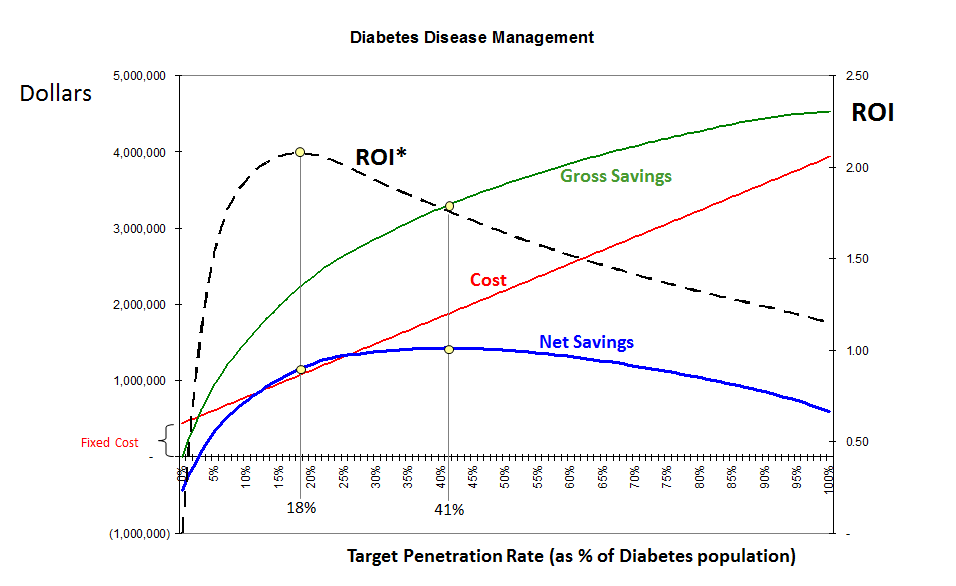
When doing analysis, it is really important to clarify up front what it is you are actually trying to figure out.  This sounds so obvious.  But, I am always amazed at how often sophisticated, eager analysts can zip past this important first step. Health plans, vendors and health care providers are all involved in the

The debate about what to maximize when selecting candidates for care management programs: Accuracy? ROI? Net Savings? Or Cost-Effectiveness? Read More »

Reports of the death of Cost-Effectiveness Analysis in the U.S. may have been exaggerated: The ongoing case of Mammography

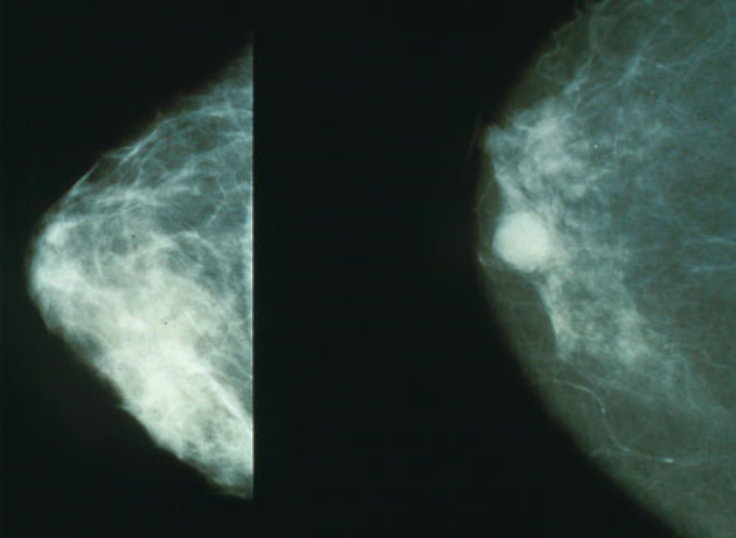
Guidelines for the use of mammograms to screen for breast cancer have been the topic of one of the fiercest and longest-running debates in medicine.  Back in the early 1990s, I participated in that debate as the leader of a guideline development team at the Henry Ford Health System.  We developed one of the earliest

Reports of the death of Cost-Effectiveness Analysis in the U.S. may have been exaggerated: The ongoing case of Mammography Read More »

Dr. Ward to speak at 5th Annual Predictive Modeling Summit, November 8-9, 2011, Washington, DC

The 5th Annual Predictive Modeling Summit is described by conference organizers as the “leading forum on predictive analytics applied to key health care functions, settings and populations.” Dr. Ward will be giving a presentation entitled “Using Intervention Models and Predictive Models to Optimize Patient Selection for Care Management in ACOs” at 1pm on November 9,

Dr. Ward to speak at 5th Annual Predictive Modeling Summit, November 8-9, 2011, Washington, DC Read More »

Dr. Ward’s Slides from AMGA ACO Learning Collaborative, Chicago, July 14, 2011

Presentation entitled “Developing the Economic Model for Success” from day 2 of the American Medical Group Association’s Accountable Care Organization Learning Collaborative, at the Swissotel in Chicago.  Attended by approximately 60 leaders of AMGA member physician organizations and other interested parties. Full page PDF format. Hand-out PDF format.

Dr. Ward’s Slides from AMGA ACO Learning Collaborative, Chicago, July 14, 2011 Read More »