Dr. Ward

Richard E. Ward, MD, MBA, CEO of Reward Health. Also physician, health care analytics and informatics innovator, husband, father, tenor & gradually improving swimmer

Improving Adult Flu Immunization

Background The US Preventive Services Task Force established national evidence-based guidelines for adult immunization as part of their 1993 and 1996 review processes. After a review by Henry Ford Health System (HFHS) general internists, family practitioners, and infectious disease specialists, these guidelines were endorsed by the HFHS Prevention Committee. The Prevention Committee’s recommendations were subsequently

Improving Adult Flu Immunization Read More »

Necessary Elements of Care Management & Clinical Process Improvement Initiatives

A number of core elements are key to ensure the success of any care management or clinical process improvement initiative. As illustrated in the figure below, these elements include: conducting a preliminary needs assessment or problem identification; establishing an appropriate improvement team; defining the target population; identifying measurable goals and objectives; articulating the desirable decision

Necessary Elements of Care Management & Clinical Process Improvement Initiatives Read More »

Establishing Best Practices (Practice Guidelines & Protocols)

Best practices, also known as “practice policies” are defined as “preformed recommendations issued for the purpose of influencing decisions about health interventions.”  The term best practice does not itself specify an intended degree of flexibility. Some best practices are intended to be “standards,” with little intended flexibility. Others are intended to serve as “guidelines,” and

Establishing Best Practices (Practice Guidelines & Protocols) Read More »

The Managed Care College and Pediatric Asthma Management

The Managed Care College The Managed Care College is a comprehensive professional development program that is intended to go beyond the transfer of information. It attempts to persuade clinicians that change is necessary and desirable, to provide leadership and guidance in seeking change, to create opportunities to collaborate with colleagues in planning and implementing change,

The Managed Care College and Pediatric Asthma Management Read More »

Inadequacy of Off-the-Shelf Business Process Management and Workflow Automation Systems for Patient Care

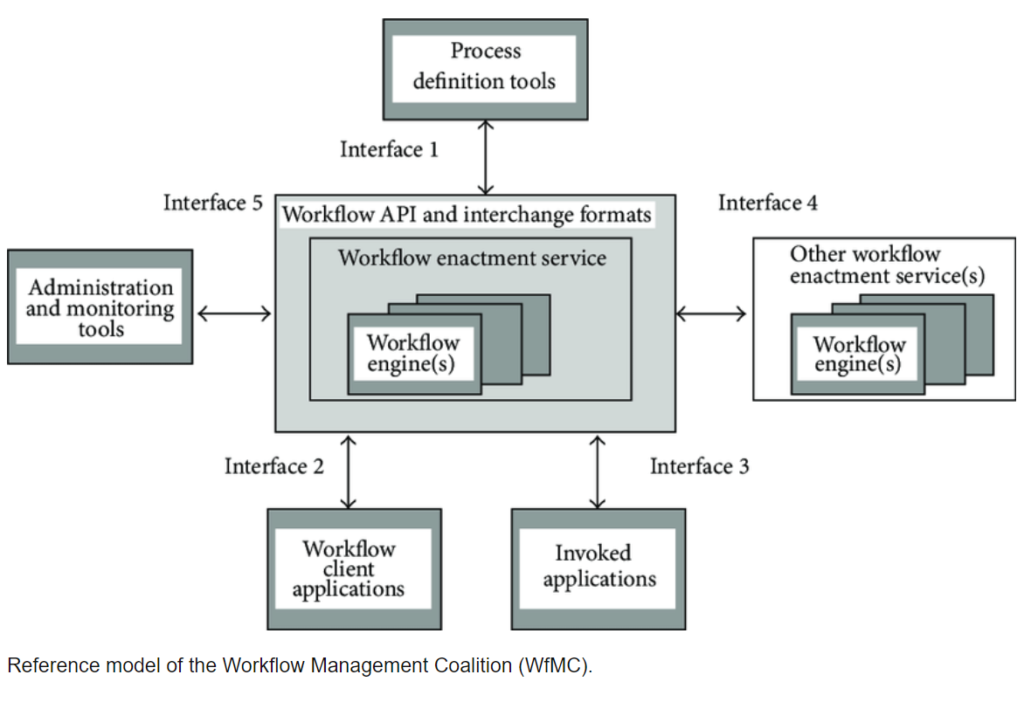
What is Business Process Automation (BPM) and Workflow Automation Technology? Workflow automation is defined by the Workflow Management Coalition as the “computerized facilitation or automation of a business process, in whole or in part.” Workflow systems generally provide a capability for entering metadata describing the sequence of tasks or activities in a work process, the

Inadequacy of Off-the-Shelf Business Process Management and Workflow Automation Systems for Patient Care Read More »

Quality and Outcomes Measurement

There are five methodological domains that support the measurement component of the care process improvement process: Population needs assessment involves the characterization of various patient populations, including demographics, risk factor profile, disease incidence and prevalence, and health care utilization patterns to identify opportunities for improvement and to support data-driven prioritization of clinical practice improvement efforts.

Quality and Outcomes Measurement Read More »

Implementation of Best Practices

The implementation of best practices to improve the quality and efficiency of health care involves making changes to both decision-making and care-delivery processes. The care management methods for improving these processes are largely borrowed from the work of Deming, Crosby, Juran, Ishikawa, and other practitioners of industrial process improvement. These methods are alternatively described as

Implementation of Best Practices Read More »

CQI Methods Used Improve the Quality of Cervical Cancer Screening

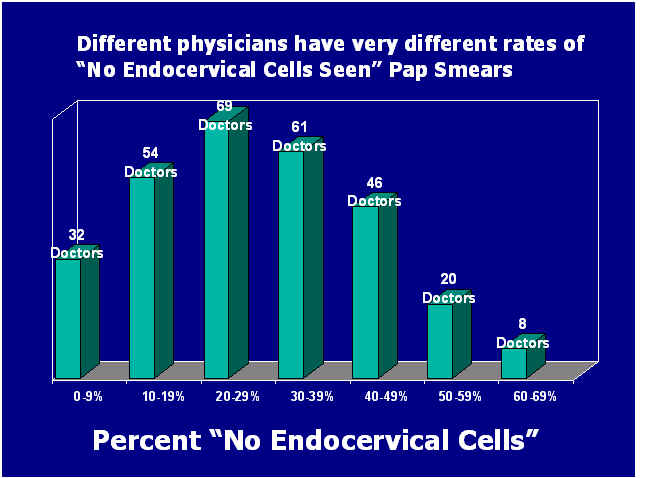
A baseline evaluation of “Pap” smears done in a large multi-specialty group practice revealed that over 25% of samples were designated “less than optimal” because of the absence of observed endocervical cells, an indicator of sample adequacy. In addition, there was a large variation in the rates of sample adequacy achieved by different physicians and

CQI Methods Used Improve the Quality of Cervical Cancer Screening Read More »