

Registries

Registries includes systems that are used by health care providers, public health officials and researchers to manage analyzable health information for a population of patients, to support health care delivery, clinical practice improvement, disease surveillance and research. Registries may be accessible my patients, and may be integrated with other health information systems.

Don’t pave the cow paths: The challenge of re-conceptualizing health care processes

There is a popular adage for information technology professionals: “Don’t pave the cow paths.” I recently worked with a client from Texas, and they were fond of this adage. They said it with the most excellent drawl, giving it extra credibility, as if they may have actually learned it the hard way on their own

Don’t pave the cow paths: The challenge of re-conceptualizing health care processes Read More »
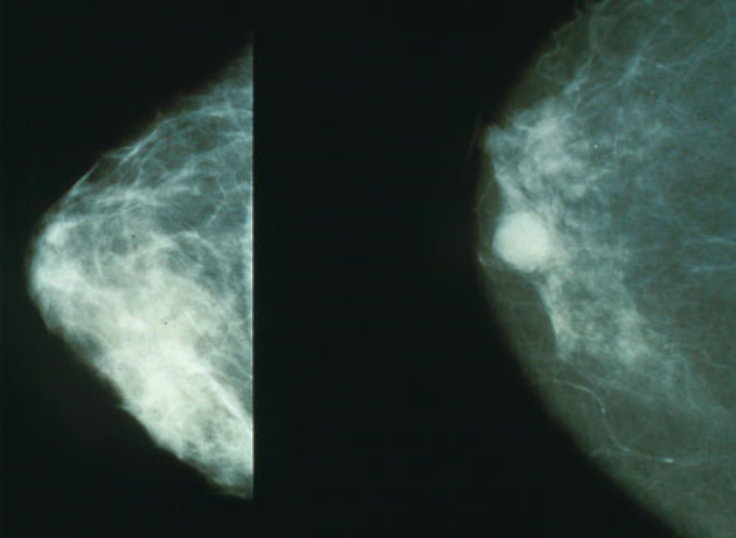
Reports of the death of Cost-Effectiveness Analysis in the U.S. may have been exaggerated: The ongoing case of Mammography

Guidelines for the use of mammograms to screen for breast cancer have been the topic of one of the fiercest and longest-running debates in medicine.  Back in the early 1990s, I participated in that debate as the leader of a guideline development team at the Henry Ford Health System.  We developed one of the earliest

Reports of the death of Cost-Effectiveness Analysis in the U.S. may have been exaggerated: The ongoing case of Mammography Read More »

Improving Adult Flu Immunization

Background The US Preventive Services Task Force established national evidence-based guidelines for adult immunization as part of their 1993 and 1996 review processes. After a review by Henry Ford Health System (HFHS) general internists, family practitioners, and infectious disease specialists, these guidelines were endorsed by the HFHS Prevention Committee. The Prevention Committee’s recommendations were subsequently

Improving Adult Flu Immunization Read More »